


The failure is structural, and it is visible in the record before it is visible in the news.
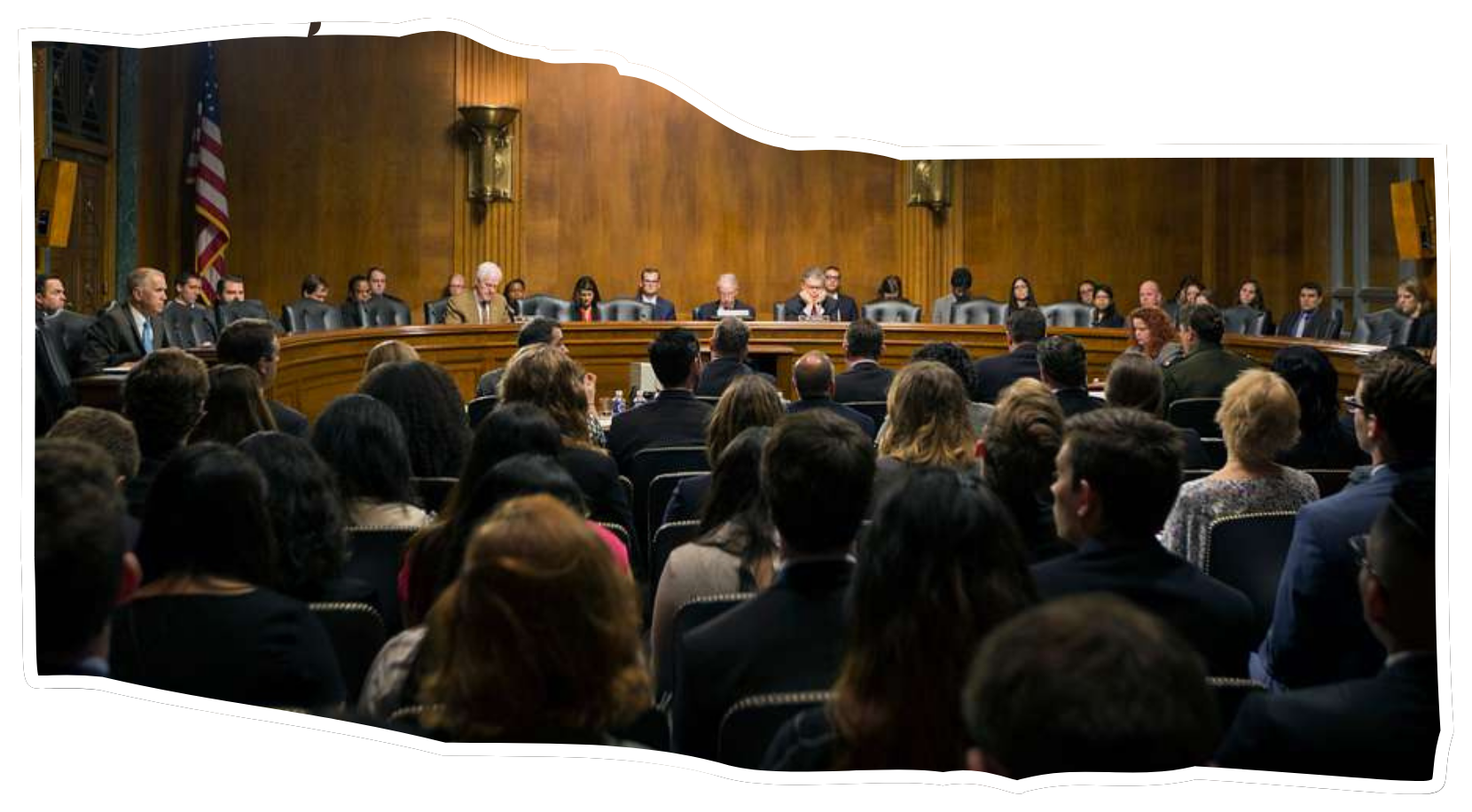
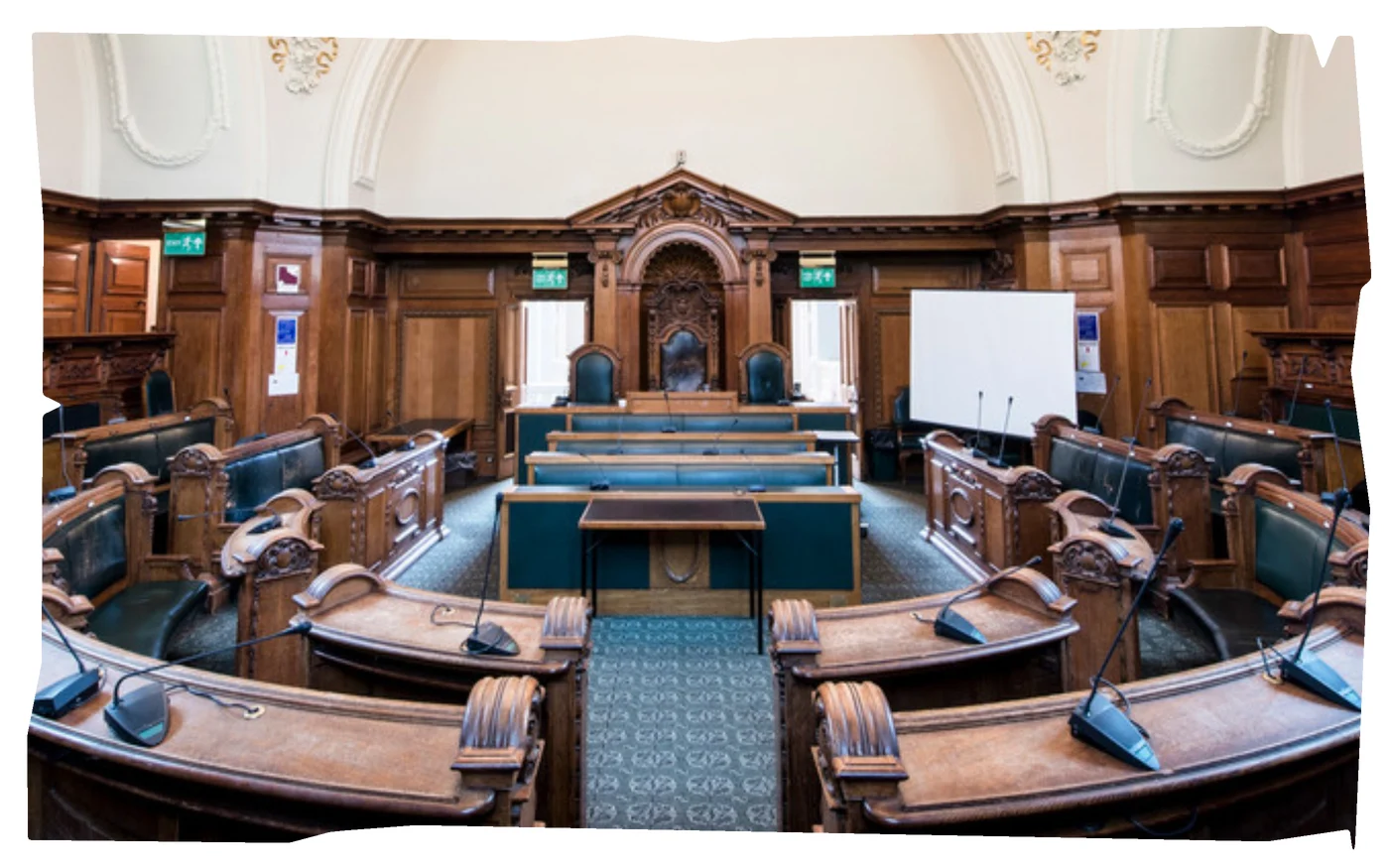
Accountability starts at the hearing. The outcome was decided upstream.
The review asks what was ready, what was funded, and who knew. This page runs the other way: it starts where the questions get asked and walks back to where the answers were decided.
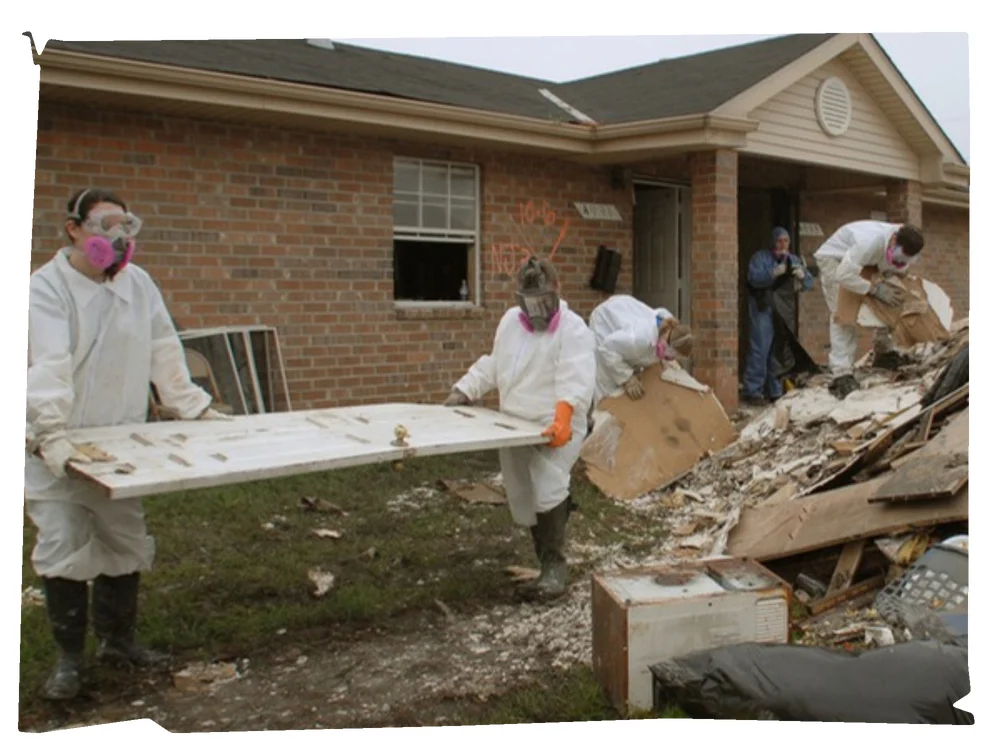
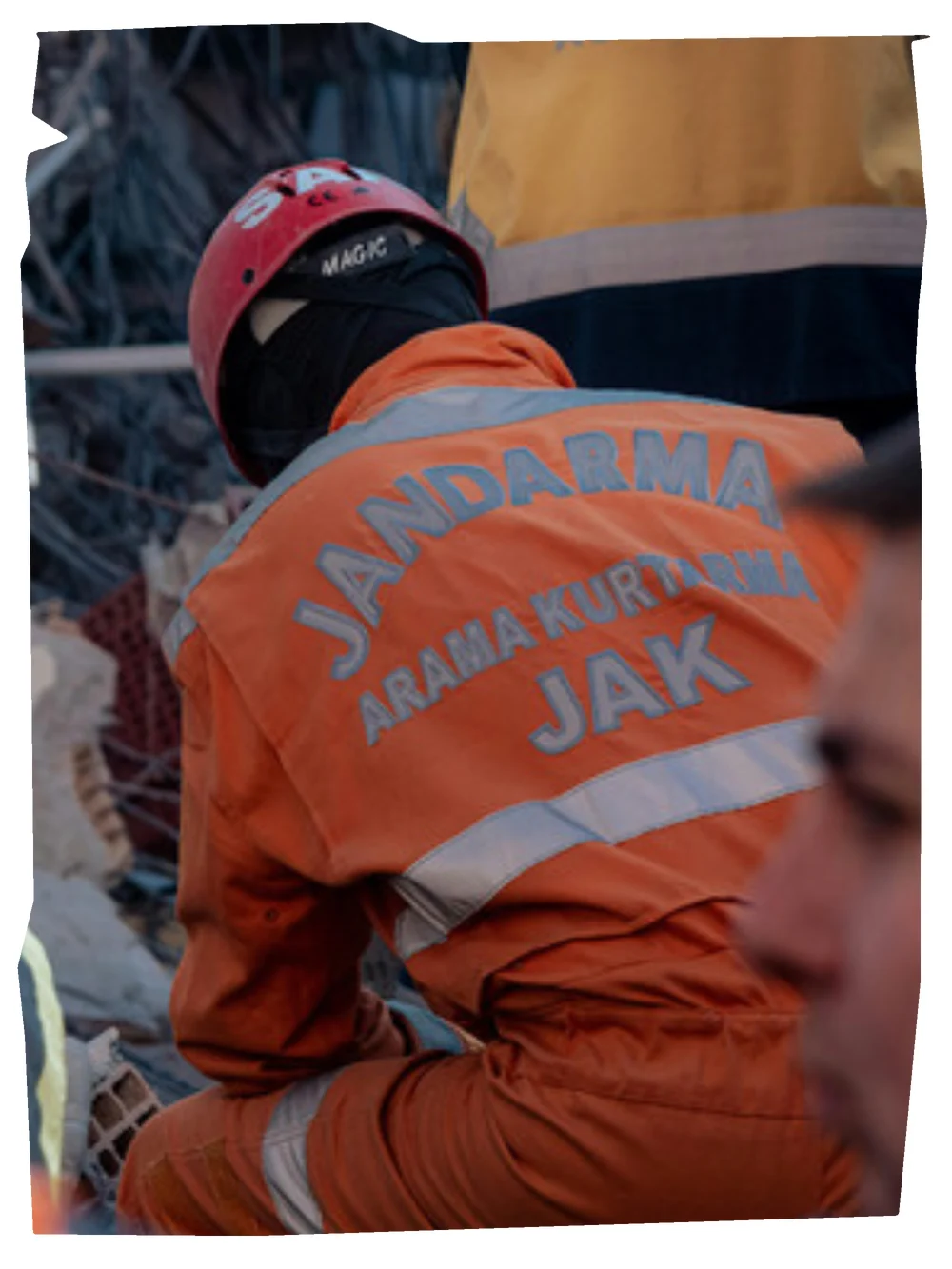
Recovery
Budgets reopen. Contracts get reviewed. The report is already being written.
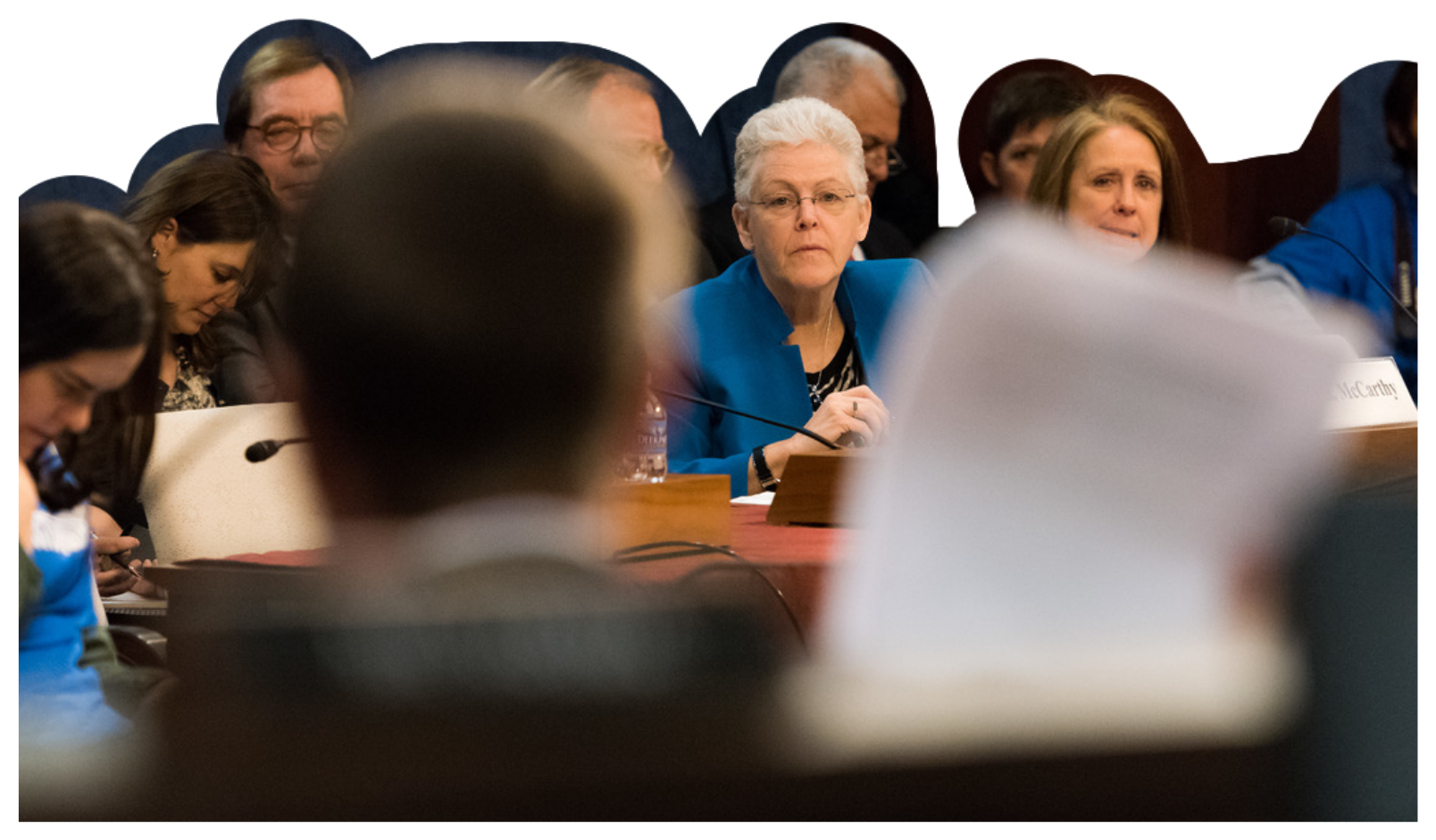
The questions it will ask are already clear to everyone in the room. What was in the plan, what was funded, and what the record showed before any of it happened.
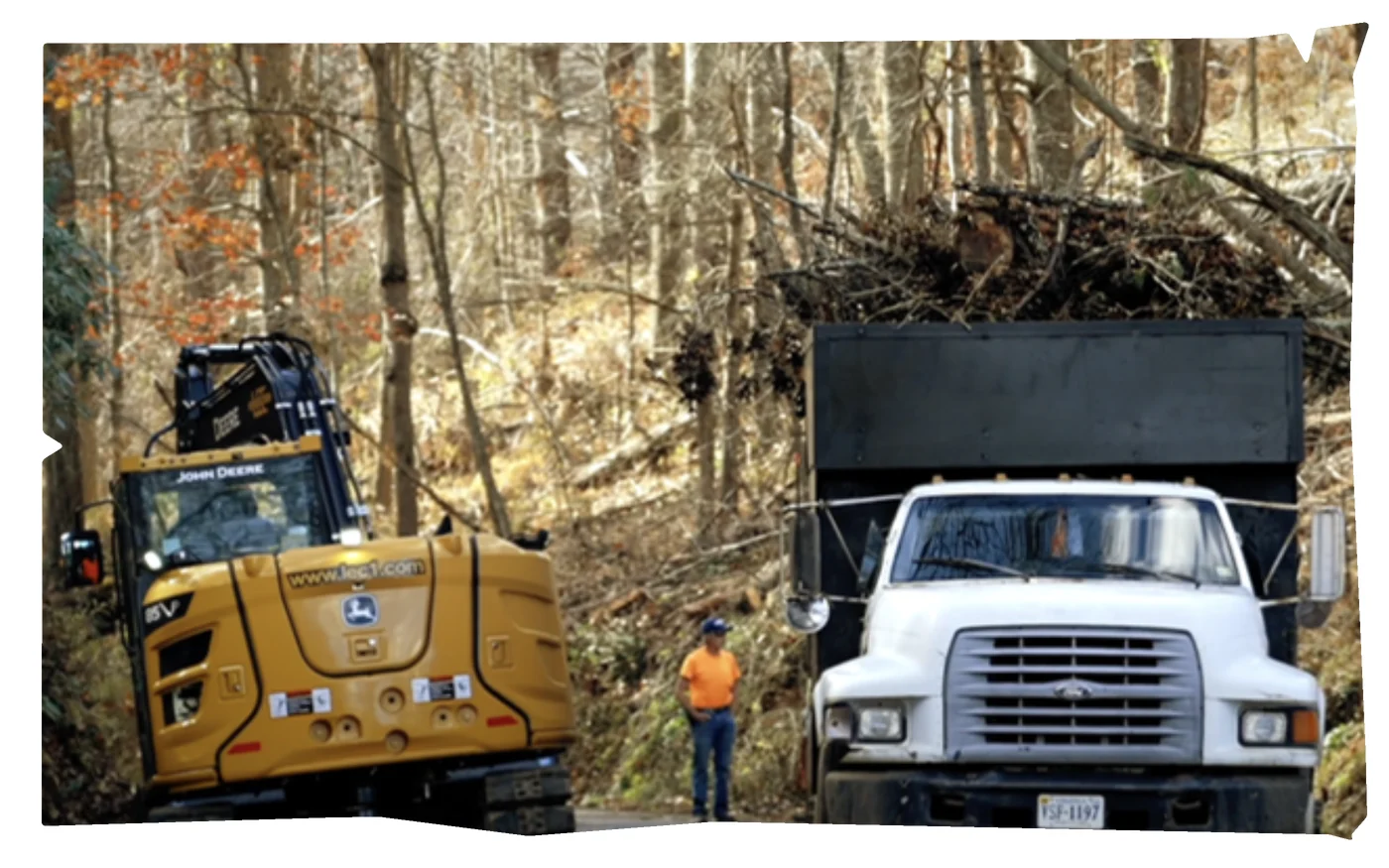
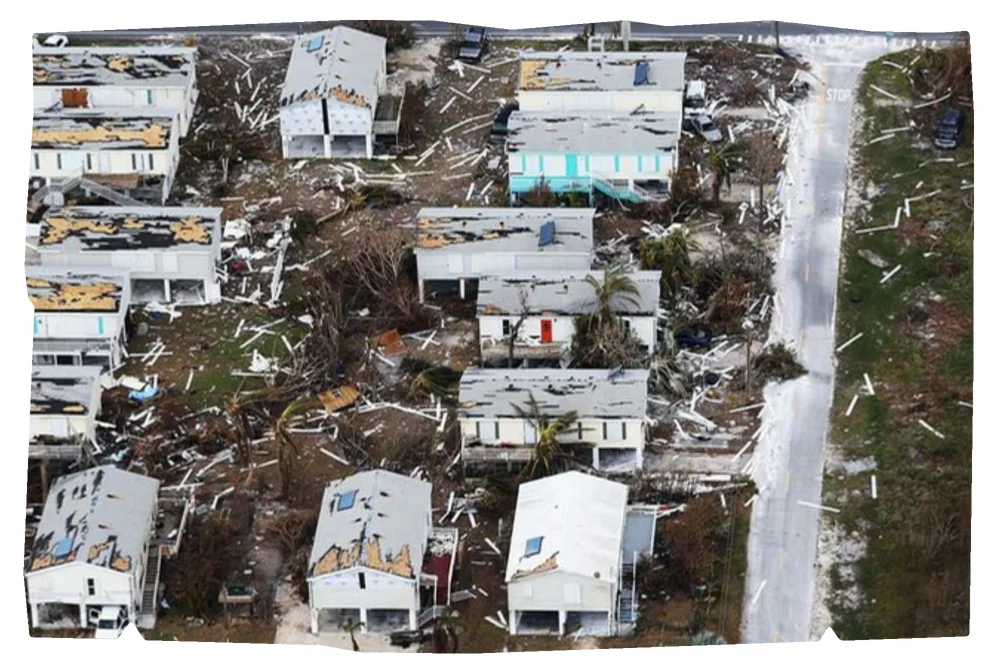
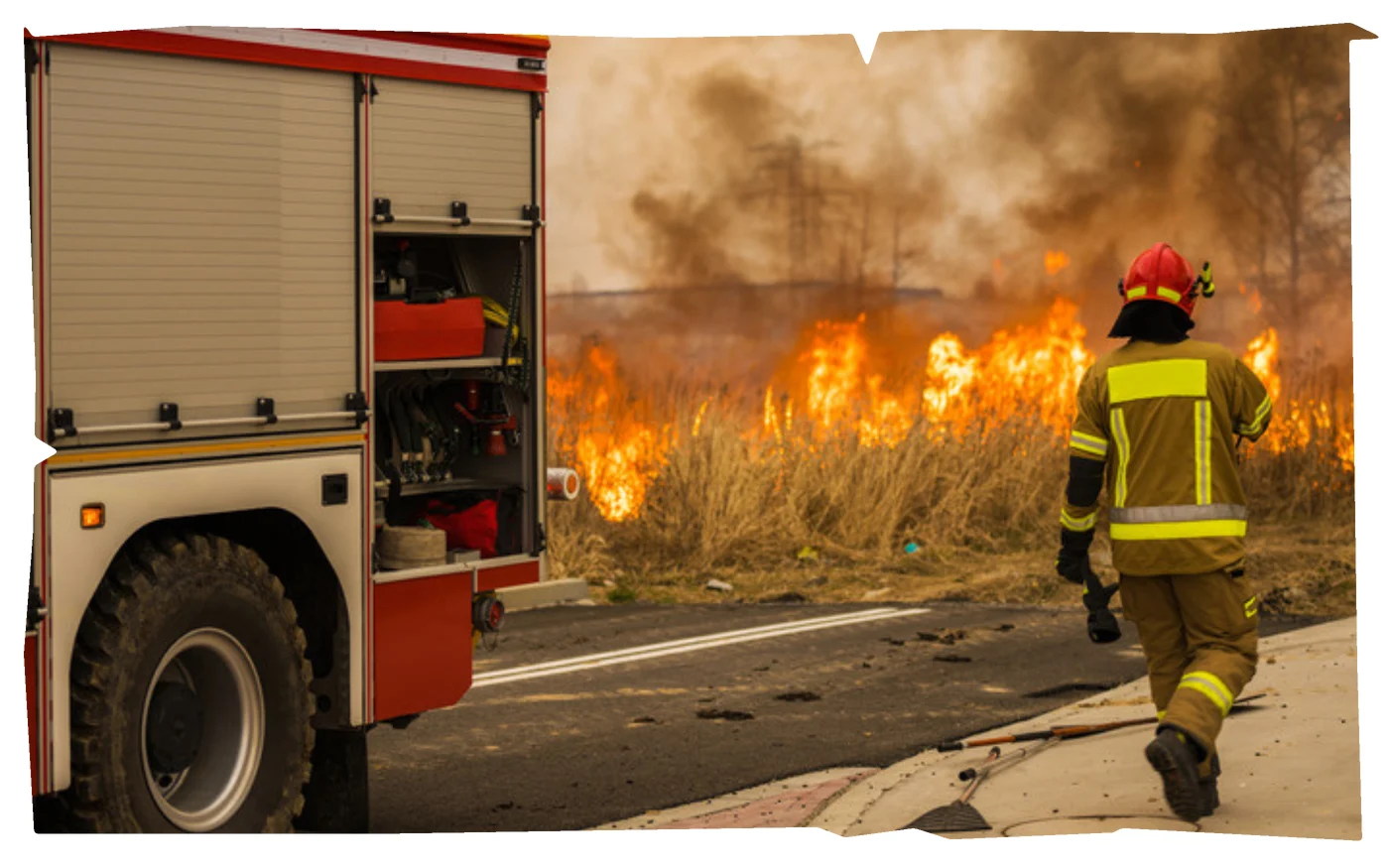
The disaster and the response
The response works with what was funded, not with what was planned.
The plan assumed the order would go out in time and the resources would be where the plan said. The structural weakness was already in the record. It became visible here.
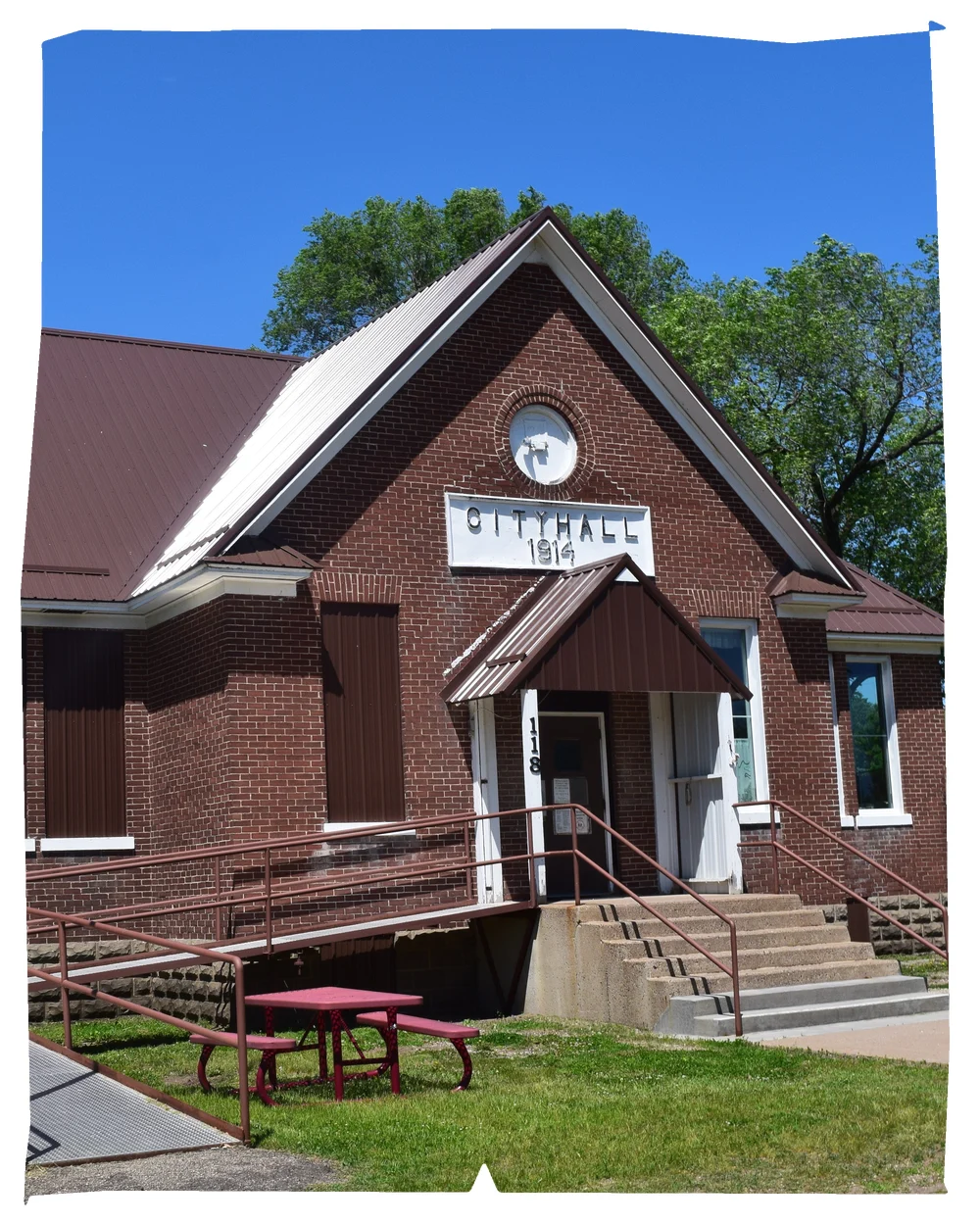
The ordinary decisions
A grant application. A program renewed or cut. A budget line moved to cover something else.
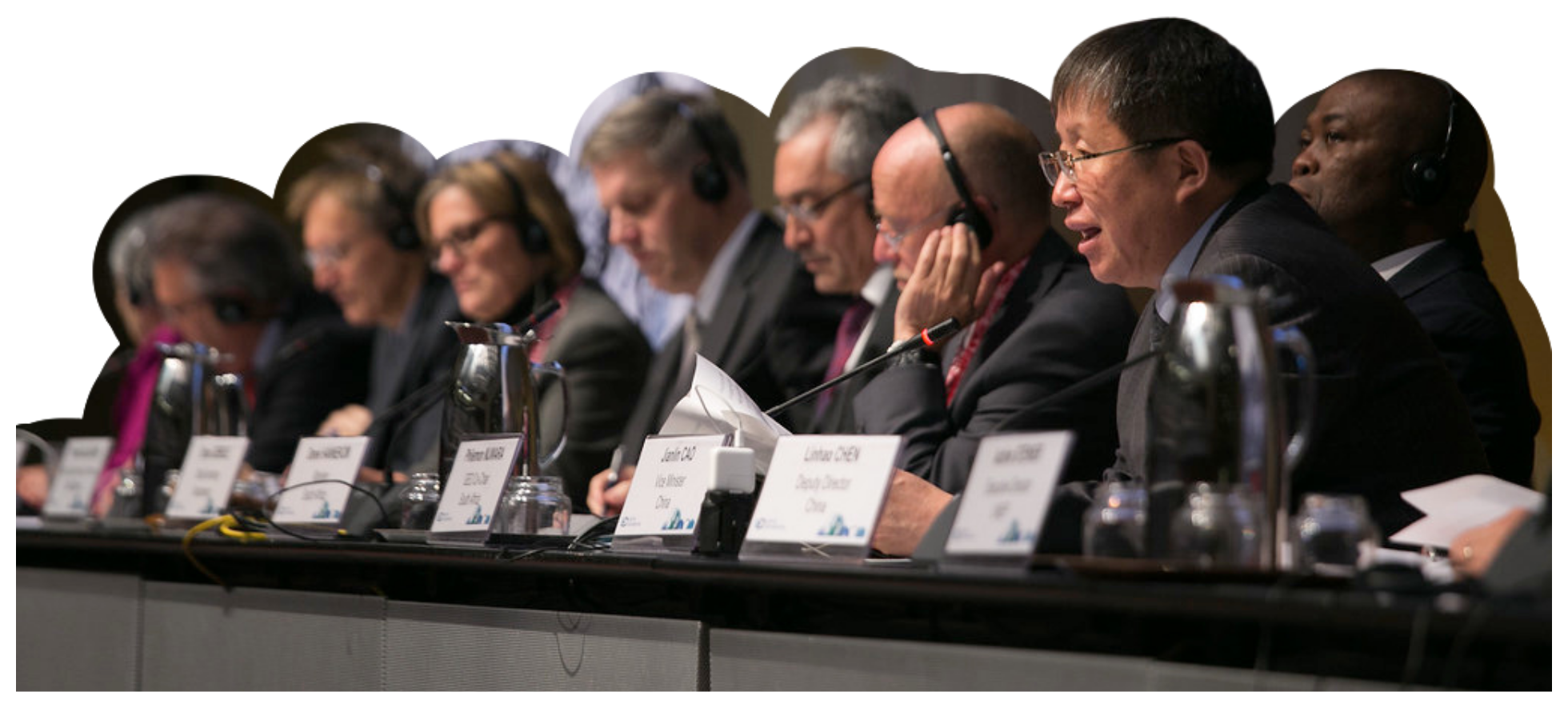
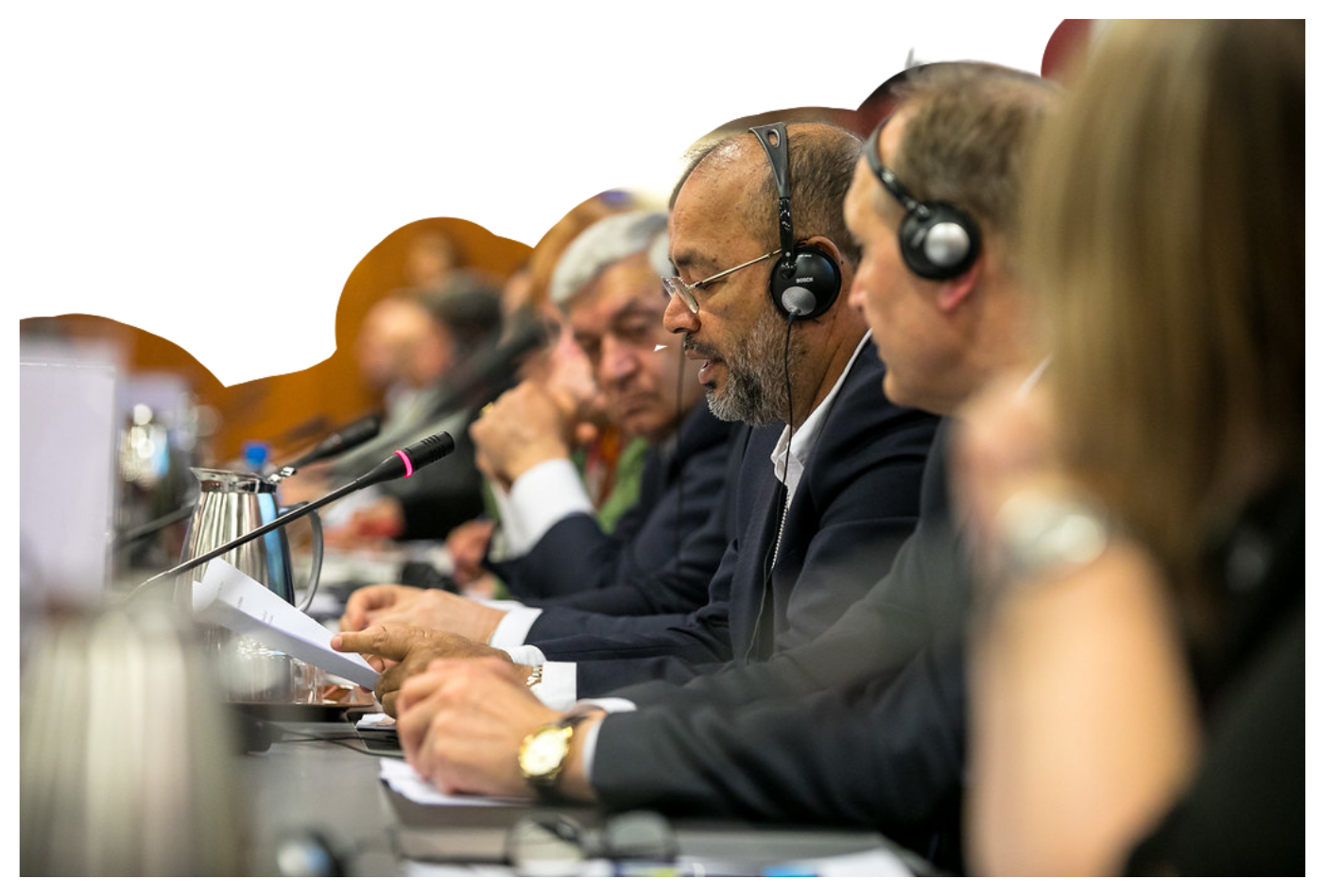
Ordinary administration on an ordinary week, decided on the best read available at the time. This is the moment the hearing will ask about. It is also the only moment when the outcome could still change.
Where the read happens
Crisis Lab Intelligence sits here, in the months when the decision is still open.
Twice a month, a brief that names the structural vulnerabilities beneath the headlines and tells you what they mean, so you can make your next move while there is still time. Read by professionals from emergency management to security and defense.
What a subscription includes →Three ways in. Annual is 12 months for the price of 10, with a 30 day refund on annual plans.
or $1,490 a year Crisis Lab Intelligence+ Everything in Intelligence, plus the NATO CMDR certification course, which unlocks after the first 30 days. $649 a month
or $6,490 a year Crisis Lab Courses Practitioner-taught, IACET-accredited. Standard courses in the catalog. From $49
Start here, while there is still time.